Outlook
Part of How to build a packaging marketing outlook that stays current
Nine packaging marketing 2027 trends to check against your own plan
Nine packaging marketing 2027 trends to pressure-test your plan, with a five-part scoring rubric, England rules context and honest update triggers to watch.
What to take away
- The nine packaging marketing 2027 trends below name real schemes, tools and platforms to test against your plan.
- Each touches a decision you control in England, and a published rule or dataset points at it.
- Score each trend out of five on evidence, cost, reversibility, rules exposure and unboxing fit.
- Anything under 15 out of 25 belongs in a watch file, not next year's budget.
- Pick two trends and test them on one product line before committing spend.
How the list was chosen
Three tests decide inclusion. The trend must change something an England-based brand can act on: artwork, supplier brief, returns process or a claim on pack. A published rule, code or dataset must already touch it. Shoppers must see it at unboxing or disposal.
Nothing is ranked by spend, and no products were tested or reviewed. Geography is England unless a cited rule covers the UK; check the devolved scheme if Scotland, Wales or Northern Ireland diverge on deposit return or recycling labelling.
That context sits inside packaging marketing: trends and outlook for England in 2027, which this list builds on.
Scoring rubric
Score each trend from one to five on every row. The maximum is 25.
Scoring rubric: 1 vs 5
Score 1
- Evidence quality
- Anecdote only
- Cost to adopt
- Over £20,000
- Reversibility
- New tooling required
- Rules exposure
- Unclear claim risk
- Unboxing fit
- Invisible to buyer
Score 5
- Evidence quality
- Named regulator or dataset
- Cost to adopt
- Under £2,000
- Reversibility
- Label or insert change
- Rules exposure
- Covered by published code
- Unboxing fit
- Core to opening moment
Score 1
- Evidence quality
- Anecdote only
- Cost to adopt
- Over £20,000
- Reversibility
- New tooling required
- Rules exposure
- Unclear claim risk
- Unboxing fit
- Invisible to buyer
Score 3
- Evidence quality
- Trade press plus one source
- Cost to adopt
- £2,000 to £20,000
- Reversibility
- New artwork plates
- Rules exposure
- Needs legal read
- Unboxing fit
- Minor touchpoint
Score 5
- Evidence quality
- Named regulator or dataset
- Cost to adopt
- Under £2,000
- Reversibility
- Label or insert change
- Rules exposure
- Covered by published code
- Unboxing fit
- Core to opening moment
Nine trends to score
1. Green claims under the CMA Green Claims Code. Six principles govern environmental claims; the non-broadcast advertising code covers pack copy. Digital Markets, Competition and Consumers Act 2024 breaches reach 10% of global turnover. HMRC's Plastic Packaging Tax charges £223.69 per tonne below 30% recycled content. Score it high if artwork carries green wording.
2. Reprint waste cut by ISO 9001. Continual improvement cuts reprint waste and late launches. BSI's business improvement through quality guidance is the neutral start. Budget it as process time, not tooling.
3. Sector sizing from ONS gross value added. Retail and manufacturing output moves the market for packaging services. The ONS gross value added figures sanity-check a forecast; use the dataset, not a blog.
4. Artwork skills, hired or bought in. If your team cannot write a brief that survives a print check, you rent the skill. Structural design in ArtiosCAD and repro in Esko ArtPro+ are what briefs miss most. The packaging marketing skills forecast in England shows what to hire and what to outsource.
5. Inserts tracked with GS1 Digital Link codes. A card in the box is cheap to change and easy to attribute through a unique code. A GS1 Digital Link QR code points to a landing page measured in GA4. It is a label change, so it reverses easily.
6. Reusable formats, from GoUnpackaged to Milk & More. Durable outer packaging shifts spend from consumables to tooling: poor reversibility, strong unboxing fit. GoUnpackaged's Refill Coalition, with Aldi, Ocado Retail, Morrisons and M&S, has trialled standardised refill containers. Milk & More collects glass bottles from doorsteps.
7. Right-sized cartons, certified through Amazon APASS. Less void fill and smaller boxes cut cost and damage claims; the change is usually artwork plus a spec sheet. Amazon's Ships in Own Container test, ISTA 6-Amazon.com, is the protocol buyers ask for. The APASS network lists suppliers who certify it.
8. On-pack retail media codes. Codes that link to a retail media page need a measurement plan before launch, or the channel looks free and reports nothing. Tesco Media and Insight Platform, Sainsbury's Nectar360 and Boots Media Group sell the placements and match scans to loyalty data.
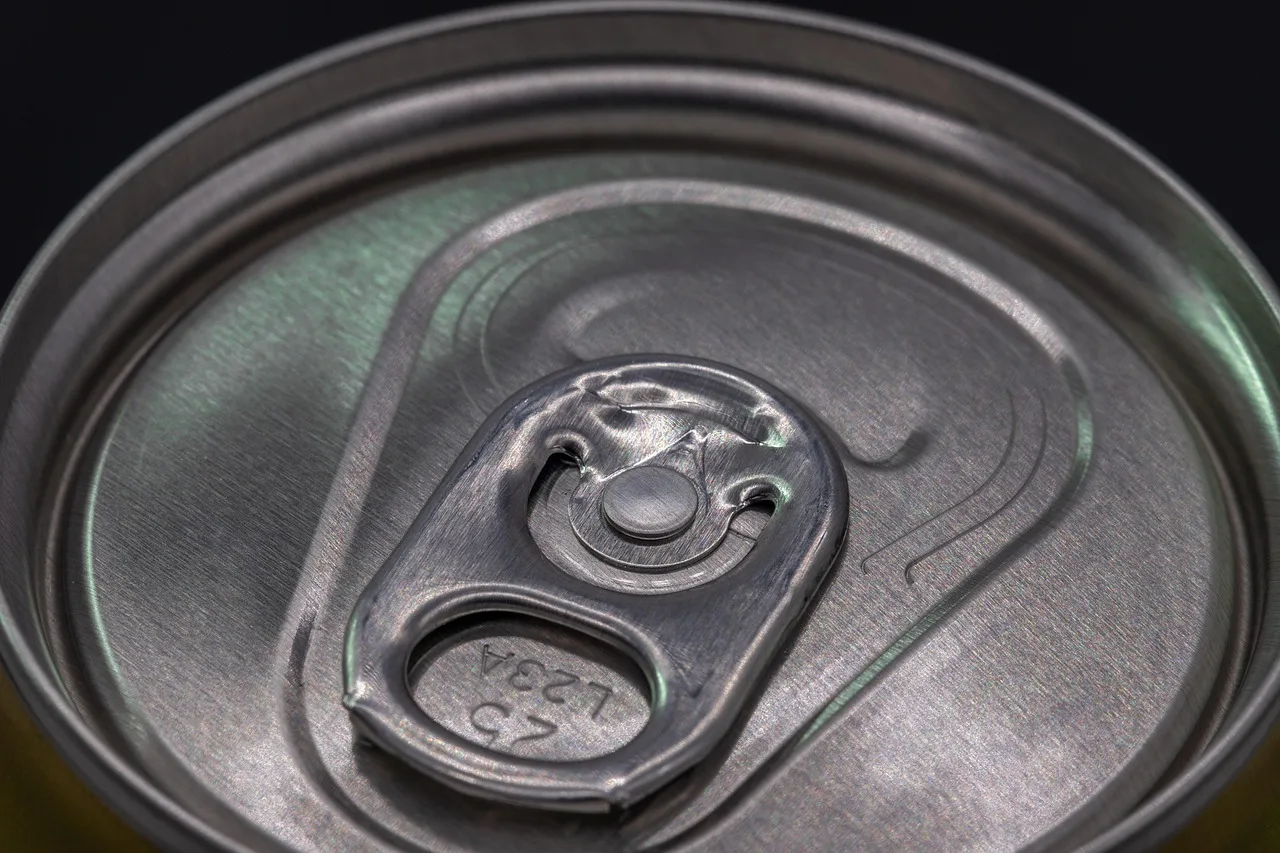
9. Deposit return preparation for October 2027. The UK nations align on an October 2027 launch, run by a Deposit Management Organisation, for PET, steel and aluminium drinks containers from 150ml to 3 litres. Labels must match council collection, which OPRL's Recycle and Don't Recycle marks cover. Treat it as a watch item until your territory's scheme is confirmed.
Common questions
Should I score all nine trends?
Score all nine, act on two: the rubric stops a long list becoming a long budget.
How often should the scores change?
Review quarterly, and at once when a regulator, scheme operator or retailer changes a pack requirement.
What counts as a trigger to revisit the plan?
A new statutory instrument, an upheld ad ruling in your category, or unplanned tooling from a supplier.
Does the rubric replace legal advice?
No. It prioritises work; claims, labelling and deposit obligations still need a qualified read before print.