Audience research
Part of Packaging marketing audience research turns guesswork into briefs you can defend
how do you build packaging marketing buyer personas from order data?
A practical method for building packaging marketing buyer personas in England, using order data, returns notes and unboxing behaviour, with a worked pound example.
What to take away
- A small online seller in Leeds usually starts packaging marketing personas from a hunch about "gift buyers". The fix is to build them from order data, returns reasons and post-purchase survey answers you already hold.
- Personas for packaging decisions describe behaviour at the moment of unboxing: who opens the parcel, where, and what they do next.
- Export the data from the platforms you already useShopify, WooCommerce, Amazon Seller Central, eBay Seller Hub, Etsy Shop Manager, Klaviyo and Google Analytics 4.
- Three or four personas are enough for most English firms. More than that and the packaging brief becomes unusable.
- Give every persona a spending band in pounds so design choices can be costed against it.
Start from behaviour, not demographics
Behaviour beats demographics for packaging marketing. A persona should be defined by what the order record shows the customer did, not by age or taste. Start with the transactions you already have and work backwards to the person who opens the box.
Gather evidence you already own
Most firms hold more persona evidence than they realise. Order records show basket size, repeat rate and delivery postcode. Returns notes show where packaging failed. A short survey sent after delivery, asking who opened the parcel and what they thought of it, adds the emotional layer.
Export these fields from your shop, marketplace or email platform: order number, order date, customer ID, email address, sales channel, items and SKUs, quantity, basket total, discount code, shipping postcode, delivery country, new or returning customer flag, returns reason and return date. Map them to persona traits: basket total and repeat count give the spending band; shipping postcode gives the region; sales channel shows marketplace or direct expectations; SKU mix separates gift buyers from self-purchasers; returns reason shows where packaging failed.
Persona evidence you already own
- Order recordsbasket size, repeat rate, postcode
- Returns noteswhere packaging failed
- Post-delivery surveywho opened it
- Post-delivery surveywhat they thought
- ONS leisure and tourism spending data
Use a simple RFM segmentation. Recency is how recently the customer ordered, frequency is how many orders they have placed, and monetary value is what they have spent or their average basket. Score each customer against your own averages, not industry benchmarks. Group the scores into three or four usable groups: high-value repeat buyers, one-off gift buyers, marketplace or discount-led buyers, and subscription or regular-repeat buyers. Name each group from the data, not from imagination.
National spending patterns give useful context. The Office for National Statistics publishes the Monthly Overseas Travel and Tourism Reference Tables that show how household habits shift across the year, which matters if your parcels peak around holidays and short breaks.
Turn evidence into three or four personas
Write each persona as a short paragraph covering who opens the parcel, why they bought, what they expect to see, and what they do with the packaging afterwards. Keep it to under 120 words so a designer can hold it in mind.
Name them plainly. "Repeat buyer, Manchester, £60 basket" tells a packaging team more than an invented character with a hobby list. Add one line on the channel that brought them in, because a marketplace buyer and a direct buyer often expect different unboxing experiences.
An example set from a Leeds seller might be: "Repeat buyer, Manchester, £60 basket" (customer ID with more than one order, average basket £60, direct channel); "Gift buyer, one-off order" (gift SKU, delivery postcode different from billing postcode, single order); "Marketplace buyer, discount-led" (Amazon or eBay channel, discount code used, first order); "Subscription buyer, regular repeat" (subscription flag or monthly repeat orders). Each label comes straight from the fields above, and each one tells the packaging team what to protect or improve.
Test personas against real packaging decisions
A persona only earns its place if it changes a packaging decision. Test each one against a real choice: box size, mailer type, insert, tape, print or return label.
Set a spending band for each persona
A persona without a budget line drifts into wishful thinking. Set a band for each using actual order data, then check if the packaging you are considering fits inside it.
For example, a team paying £400 a month for mailers, tissue and tape may find a rigid box upgrade adds £1.80 per parcel, changing the maths at 300 orders a month.
Code returns reasons before you trust a persona. Use fixed tags such as "damaged in transit", "not as expected", "wrong item", "late delivery" and "changed mind". Count them by persona. If "damaged in transit" clusters in one persona, that persona needs a stronger box or better void fill. Business innovation audits and certifications can help you check whether the fix is genuinely new or just a cost increase.
Check the persona against unboxing behaviour
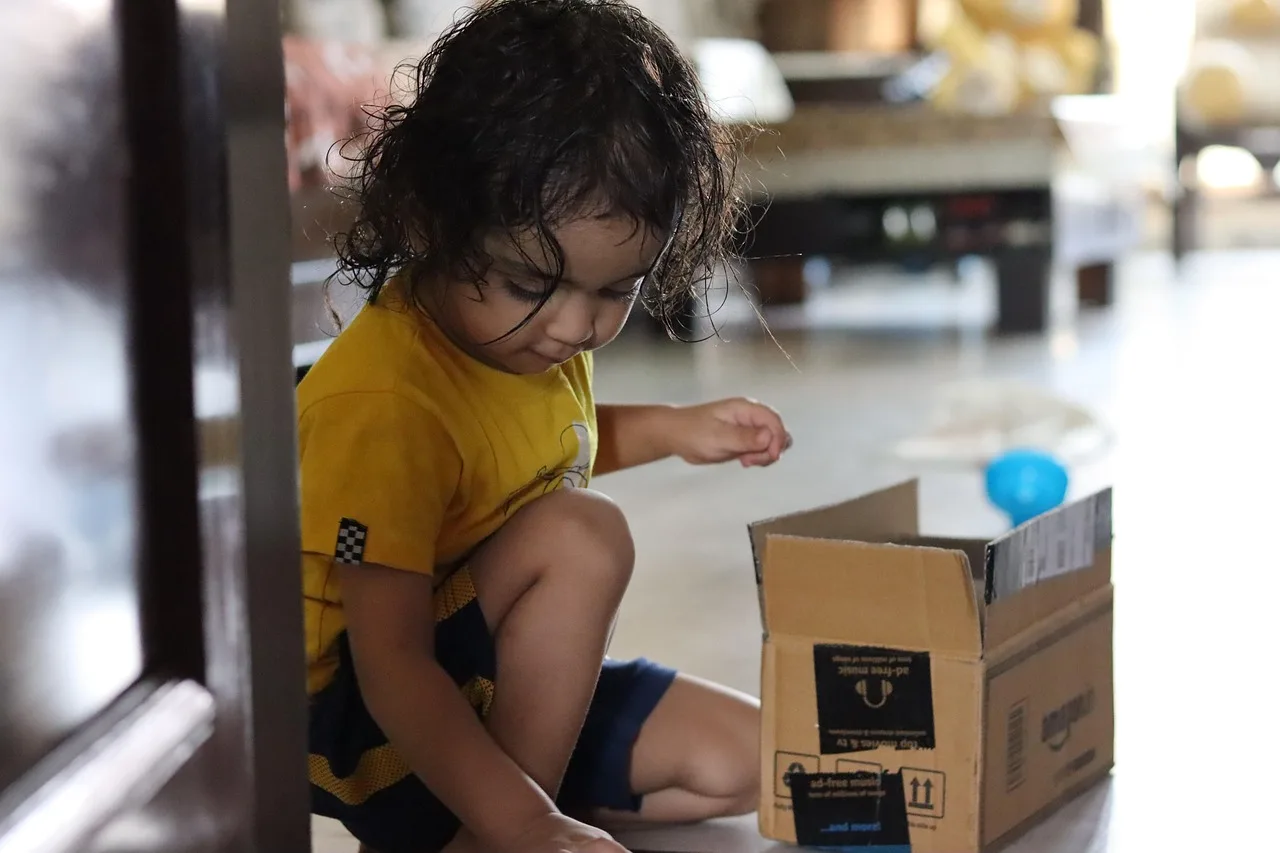
The moment of opening is where personas earn their keep. Note whether the parcel is opened alone or in front of others, because a gift opened at a party rewards a different design from a subscription box opened at a kitchen table.
Send a short post-delivery survey to the customers in each persona. Ask who opened the parcel, what they thought of the packaging, and what they did with it afterwards. The answers fill the gaps that order data cannot show.
Once a persona survives both tests, write it into the brief. Include the data fields that define it, the spending band it must stay inside, and the packaging decision it should guide. That is the version a designer or supplier can act on.
Common questions
How many buyer personas should a small English retailer build?
Three or four covers most cases. One persona per major channel, plus one for gift buyers if that segment is material, is usually enough to brief a packaging supplier without losing focus.
Can I build personas without a research budget?
Yes. Start with order data, returns reasons and a short post-delivery survey. Paid research helps later, once you know which questions your existing evidence cannot answer.
How often should personas be reviewed?
Review them when a channel mix changes, when returns reasons shift, or at least once a year. Personas built from stale order data mislead packaging decisions quickly.
Do personas need pound figures attached?
They should carry a spending band drawn from your own order records. Without one, a packaging proposal cannot be checked against what the customer actually pays.