Foundations
Part of 7 packaging design mistakes that hurt unboxing
7 packaging design mistakes that hurt unboxing
Seven packaging design mistakes that ruin the unboxing experience for UK shoppers, from sealed flaps to mixed materials, with fixes and a pre-press check.
What to take away
- Unboxing complaints usually start with the cartona closure that fights the opener, contents that move, print that will not photograph.
- The fixes are physical and cheapa tear strip, a card insert, a right-sized box and higher contrast ink.
- Packaging waste obligations and environmental claims are both regulated, so the wording and materials on the box carry weight.
- Change one thing per print run and film the result before you roll it out.
A closure that fights the opener
Over-taped seams and glued flaps make a buyer hunt for a knife, which reads as friction on camera and sometimes ends with a scored product.
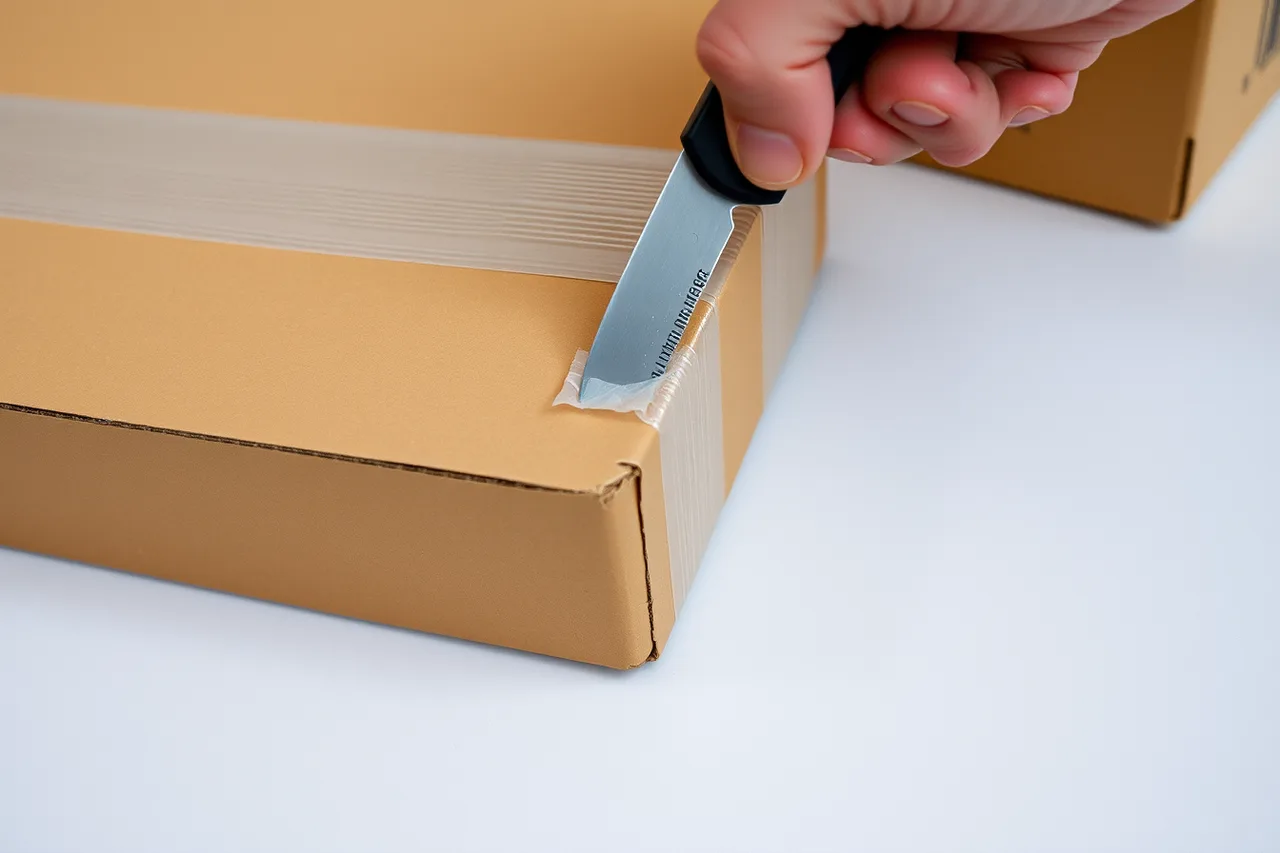
Repetitive cutting and twisting at the packing bench is a recognised cause of musculoskeletal disorders, set out in the HSE guidance on musculoskeletal disorders. A tear strip, a single tape line or a pull tab removes the first stumble.
Contents that move inside the box
Loose items rattle and arrive scuffed. When a buyer has to return a damaged order, the memory that sticks is the damage, not the design.
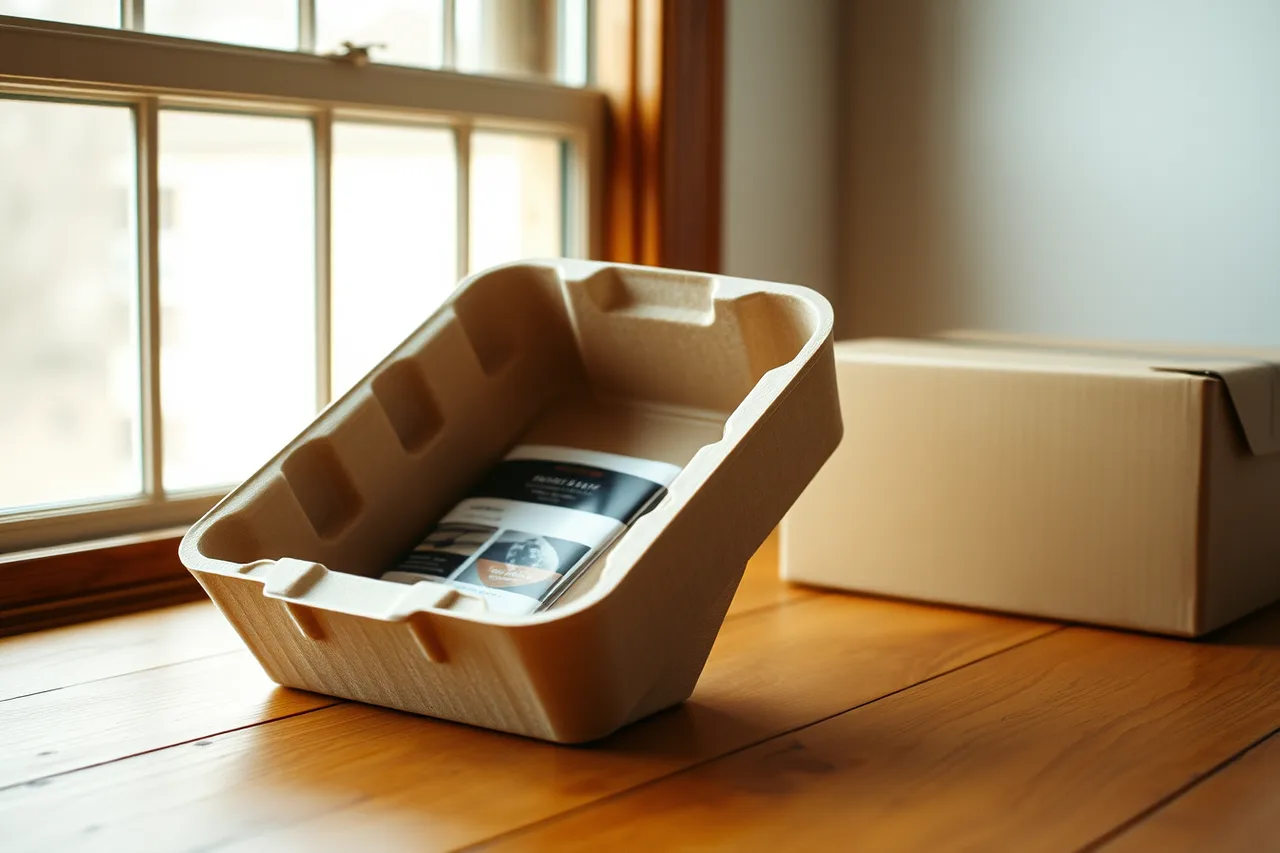
A moulded pulp insert, a card cradle or a snug fit turns empty space into a deliberate reveal. Keep the fit tight enough that the item cannot travel, and loose enough that a thumb can lift it out.
Print that dies under a phone light
Pale type on kraft board looks calm in a studio photograph and turns to mud under kitchen lighting. Registration drift on a flexo run makes small text fuzzy and a logo look cheap.
Test at the smallest size you plan to print. Strong contrast between ink and board survives dim light, compression and a shaky hand. This guide to improving packaging design for unboxing walks through type sizes and colour pairings.
Cartons sized for the courier, not the product
Buying boxes to fit a courier band rather than the packed item leaves air inside. Air invites movement, raises volumetric charges and hands the buyer more waste to flatten.
Measure the packed item, add the clearance your insert needs, then order board. It also cuts the void fill you pay for twice: once to buy, once to bin.
Mixed materials that block recycling
A plastic window glued to a card sleeve, or a laminated wrap on a recyclable carton, sends the whole pack to general waste.
Businesses that handle packaging also carry obligations under the packaging extended producer responsibility regime in the Producer Responsibility Obligations (Packaging and Packaging Waste) Regulations 2024, which replaced the 2007 recycling and recovery targets. Kerbside collections differ across England, Scotland, Wales and Northern Ireland, so one label rarely fits every customer.
Claims you cannot support
Words such as eco, green and fully recyclable invite scrutiny when the rest of the pack contradicts them. The Competition and Markets Authority publishes guidance on environmental claims and expects businesses to hold evidence for wording on pack.
Be specific instead: carton widely recycled, remove the tape, tells the buyer what to do. Planet friendly tells them nothing, and a complaint costs more than the ink.
A reveal with nothing to film
Unboxing footage needs a moment to point at. Plain tissue, an unmarked inner and one loose item give a creator nothing to hold up to the camera.
A printed inner panel, a numbered insert or a small extra worth filming gives the footage a beat. These TikTok unboxing ideas for UK brands cover formats that suit the props you already print.
A five-step pre-press check
- Pack a sample and hand it to someone who has not seen it, then time the opening.
- Photograph the open box under a ceiling light, not a studio lamp.
- Weigh the parcel and check the postage band against the packed size.
- Check every material against your council's kerbside collection rules.
- Change one element per run so you know which fix did the work.
Common questions
Does a bigger box really hurt the unboxing?
Yes, because the buyer notices movement rather than presentation. Extra air also means more void fill to dispose of and, on most courier tariffs, a higher volumetric charge.
Are printed inserts worth it on small runs?
Often, because an insert gives a creator something to hold up when the product itself is small. Short runs sit more comfortably on digital print, so test the wording before ordering plates.
How do I decide what to change first?
Start with anything that slows the opening or lets contents move. Those faults drive most damage and return complaints, and they are usually the cheapest to correct.