
Rules and ethics
Part of Beauty packaging for UK buyers: labels, notification and supplier checks
Beauty packaging for UK buyers: labels, notification and supplier checks
A UK beauty packaging guide for buyers: cosmetic labelling, notification, responsible person, producer responsibility, supplier quote checks and format choices.
What to take away
- Every beauty product sold in Great Britain needs compliant beauty packaging: a named responsible person, a label that meets the UK Cosmetics Regulation and a notification before it goes on sale.
- Packaging waste rules tie material choice to producer fees, so plastic-free formats are now a cost decision as well as a marketing one.
- Small bottles and jars leave little room for mandatory text, so artwork planning starts with the label, not the logo.
- Ask suppliers for specification sheets, minimum order quantities and lead times in writing before you approve artwork.
Labelling rules that catch beauty brands out
Cosmetic products sold in Great Britain must show the responsible person's name and address, a batch code, and either a date of minimum durability or a period-after-opening symbol. The ingredients list uses INCI names, with allergens named once they pass the set thresholds.
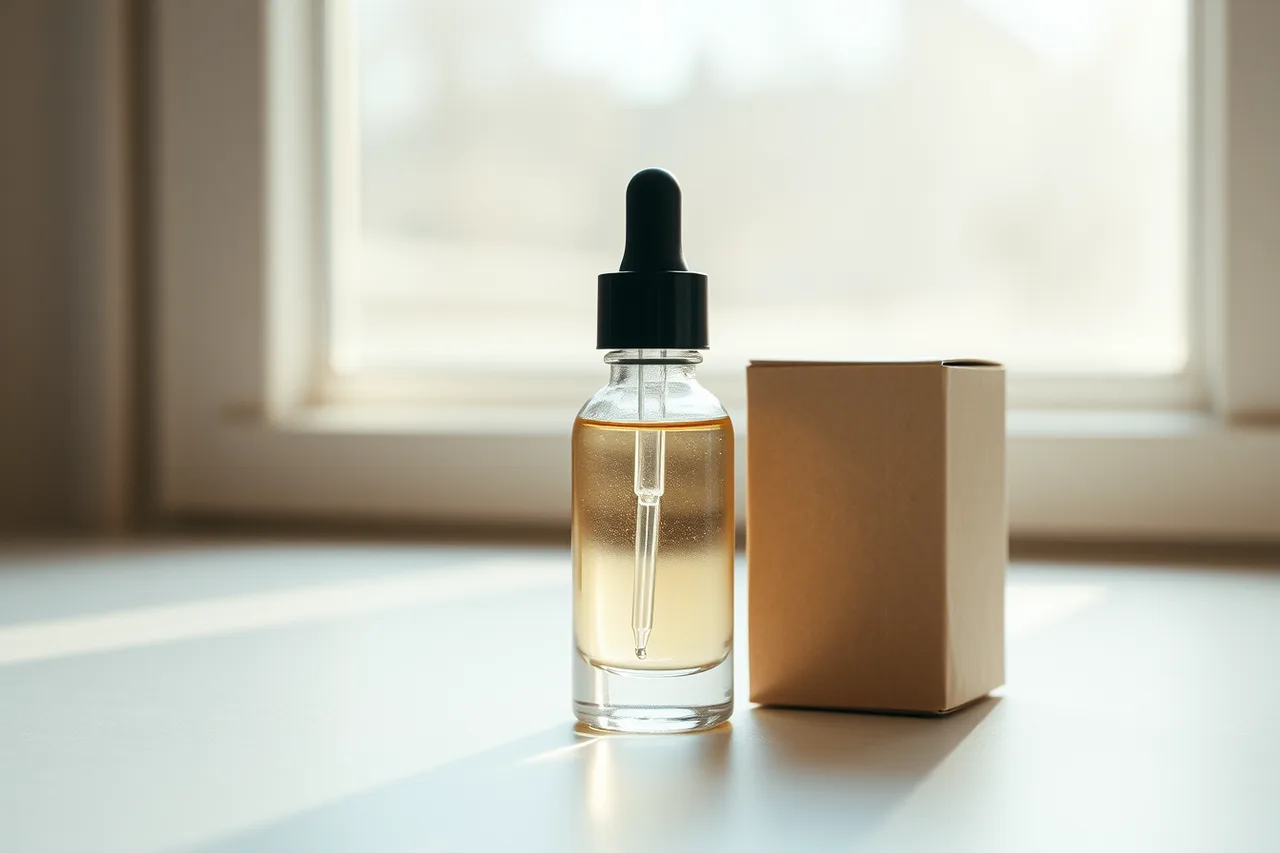
The pinch point is pack size. A 10ml serum bottle carries too little printable area for the full list, so brands move text to a carton or a folded leaflet. If the carton is the only place the mandatory wording appears, it has to travel with the product.
Precaution wording and function claims also need to be defensible. A serum that promises fewer fine lines in seven days invites a complaint, and the evidence has to exist before the pack is printed.
Trading standards officers enforce these rules in Great Britain, so a pack that fails a spot check can be pulled from sale.
Notification and the responsible person
Since 1 January 2021, products placed on the Great Britain market must be notified through the UK's official Submit Cosmetic Product Notifications (SCPN) service before they go on sale. Products sold in Northern Ireland still follow the EU Cosmetics Regulation and go through the Cosmetic Products Notification Portal (CPNP). Great Britain follows the UK Cosmetics Regulation; Northern Ireland follows the EU route.
Someone has to be the responsible person, established in the UK and named on the pack. That is often the brand itself, but an importer or a contract manufacturer can take the role in writing.
Before notification, the product needs a Cosmetic Product Safety Report (CPSR) prepared by a qualified safety assessor, and a Product Information File (PIF) kept available for the authorities. The PIF holds the CPSR, the formula, the manufacturing method and the labelling.
Retail buyers check the label, not a database. A wrong address is a listing problem, not a paperwork problem.
Why plastic-free formats now carry a price
Packaging has carried legal duties for years. The 2007 packaging waste regulations required larger producers to register and meet recycling targets, and the Producer Responsibility Obligations (Packaging and Packaging Waste) Regulations 2024 replaced them with extended producer responsibility.
The Environment Act 2021 then created powers for extended producer responsibility, where fees follow the weight and recyclability of what you sell.
Beauty is exposed here. Pumps, droppers, mirrors and laminated sachets are multi-material, so they attract higher fees and rarely pass a kerbside recycling test. Mono-material bottles, refills and paperboard cartons cut both the fee and the customer complaint.
Refill models are popular but not automatically compliant. The refill still needs the mandatory information on the pack the customer receives, or on a document that accompanies it.
A recyclability claim needs evidence too. BSI publishes the standards buyers reference when they ask for the test method behind a material statement.
If you are weighing materials, our guide to eco-friendly packaging options sets out what a small brand can realistically source in Britain.
How to choose a beauty packaging supplier
Supplier quotes are hard to compare, because each one bundles different services into the unit price.
- Ask for material specification sheets covering recycled content, cosmetic-contact suitability and closure compatibility.
- Confirm the decoration method. Digital print suits short runs and limited editions, while flexo suits volume.
- Get minimum order quantities, tooling costs and lead times in writing, in units and weeks.
- Fix who owns the artwork and who signs off label text before print.
- Run a sample, pack a real order and film the unboxing before you commit to volume, because a stock photo rarely matches the delivered finish.
- If the supplier also fills or manufactures the cosmetic, check ISO 22716 cosmetic Good Manufacturing Practice certification and the safety documentation, including the CPSR and PIF, and confirm who prepared it and their qualification.
Comparing three suppliers on the same brief takes a week and saves months. Our guide on comparing packaging supplier quotes covers the questions that separate them.
Format choices at a glance
Most beauty briefs land on one of five formats. The trade-offs are usually weight, barrier performance and recycling.
Suits
- Airless pump
- Serums and actives
- Aluminium bottle or tin
- Refillable ranges
- Glass jar
- Creams and gift sets
- Mono-material PET
- High-volume liquids
- Paperboard carton
- Labelling space and gifting
Watch out for
- Airless pump
- Multi-material components, hard to recycle
- Aluminium bottle or tin
- Dents in transit
- Glass jar
- Weight raises shipping cost
- Mono-material PET
- Looks plainer without decoration
- Paperboard carton
- Needs moisture protection
Common questions
Does a UK beauty brand need CPNP notification?
CPNP notification is only for Northern Ireland, where the EU Cosmetics Regulation still applies. Great Britain uses the official Submit Cosmetic Product Notifications (SCPN) service instead, and it must be completed before the product is sold.
Can mandatory text sit on the outer carton only?
Yes, if that carton is what the customer receives. A plain transit box does not count, and neither does a website page.
What should I ask a supplier about recycled content?
Ask for the percentage by component and the test method behind it, then keep the specification sheet on file for retail buyers.